Stories
Major developing stories tracked over time
Geopolitical Conflicts
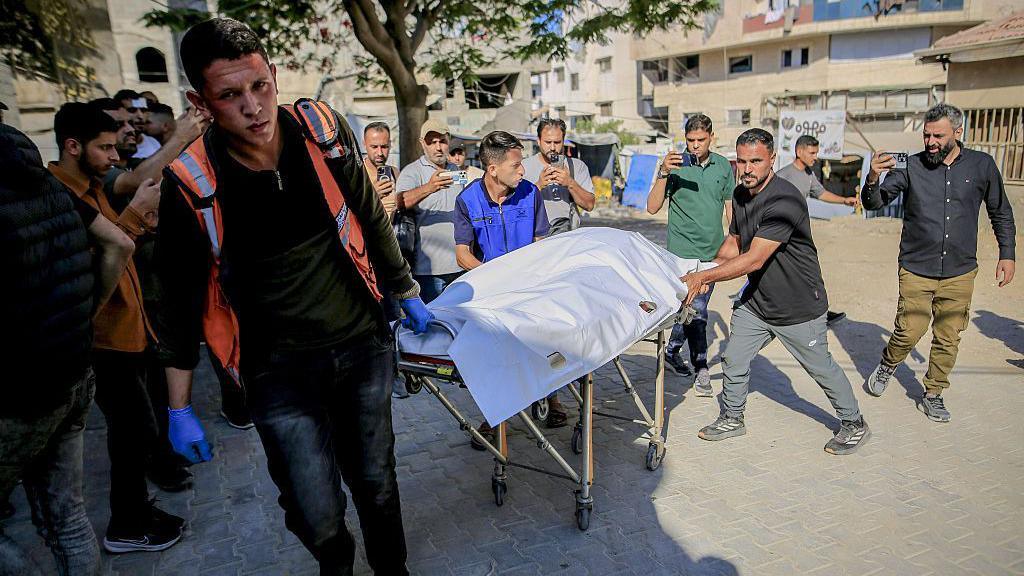
Israel-Hezbollah War
The Israel-Hezbollah War, reignited by escalating cross-border attacks, has seen significant strikes and a fragile ceasefire brokered in June 2026. The conflict, fueled by regional tensions and the ongoing Gaza crisis, threatens to draw in other regional actors and further destabilize the Levant. The conflict between Israel and Hezbollah is a long-standing and volatile one, rooted in the complex political and sectarian landscape of Lebanon and the broader Israeli-Palestinian conflict. While sporadic clashes have occurred for decades, the current escalation is a direct consequence of the war in Gaza and the broader regional realignment. The involvement of non-state actors like Hezbollah, backed by Iran, introduces a significant layer of complexity and risk to any wider regional conflict.

Russia-Ukraine War
The Russia-Ukraine War entered a new, brutal phase in Spring 2026 with intensified drone warfare and a renewed Russian offensive. Despite significant Western support, Ukraine faces immense challenges in repelling the invasion, with the conflict's protracted nature continuing to destabilize Eastern Europe and global energy markets. The full-scale invasion launched by Russia in February 2022 has evolved into a grinding war of attrition. Ukraine, bolstered by Western military and financial aid, has mounted fierce resistance, while Russia has sought to consolidate its territorial gains and exert pressure through strategic offensives and asymmetric warfare. The conflict's implications extend far beyond the immediate battlefield, impacting global food security, energy prices, and the international security architecture.
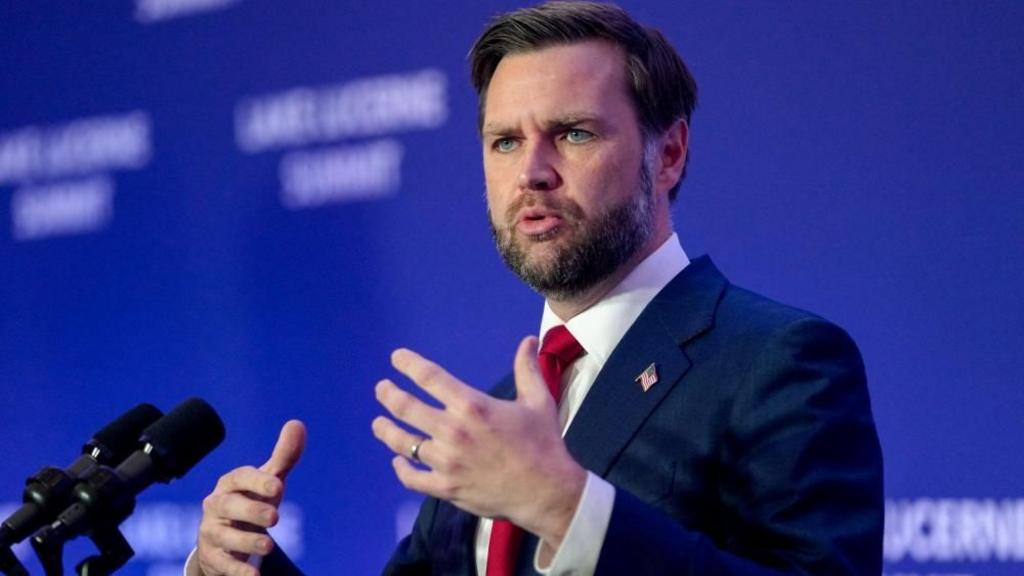
US-Iran War
The US-Iran War, ignited by retaliatory strikes in February, saw a brutal escalation across the Middle East before a fragile ceasefire was brokered in June. The conflict, driven by decades of animosity and proxy conflicts, threatened to engulf the region in wider conflagration. The roots of the US-Iran War lie in the complex geopolitical landscape of the Middle East, exacerbated by Iran's nuclear program, its support for regional proxies, and the US's long-standing commitment to Israel's security and regional stability. The immediate trigger was a series of escalating attacks and counter-attacks, culminating in direct strikes that pushed both nations to the brink of full-scale war. This conflict is a manifestation of a broader struggle for influence in the region, involving numerous non-state actors and regional powers.
Security & Defense
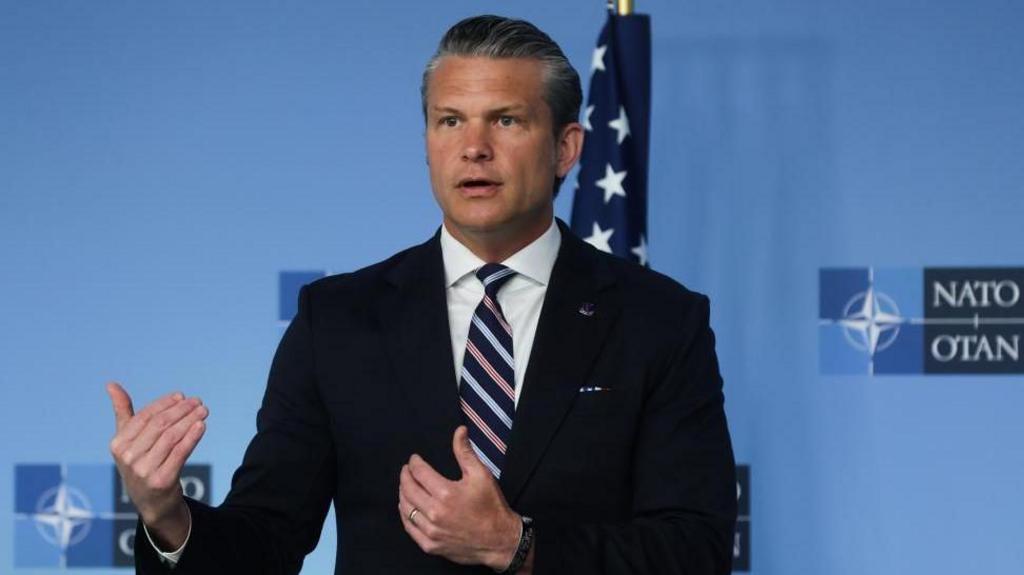
NATO Crisis
The NATO Crisis deepened in 2026 with internal dissent and questions about burden-sharing, exacerbated by a US political figure's critical remarks and a review of troop deployments. While the alliance remains central to European security, these internal fissures highlight ongoing debates about its future role and the commitment of its members. NATO, the cornerstone of Western security for decades, has faced persistent challenges in adapting to a changing global landscape. Debates over burden-sharing, the alliance's expansion, and its operational relevance in new threats have been ongoing. The resurgence of Russia as a perceived threat has revitalized NATO's purpose, yet internal disagreements, particularly regarding defense spending and strategic priorities, continue to test its cohesion.
Taiwan Strait Tensions
Tensions in the Taiwan Strait remain critically high following large-scale PLA blockade drills in late 2025, signaling Beijing's persistent assertiveness. While direct conflict has been averted, the risk of miscalculation and escalation continues to loom large, impacting regional stability and global trade routes. The status of Taiwan is a central and highly sensitive issue in the geopolitical rivalry between China and the United States. Beijing views Taiwan as a renegade province that must be reunified with the mainland, by force if necessary, while Taiwan maintains its de facto independence and democratic governance. The US, while acknowledging Beijing's 'one China' policy, provides Taiwan with defensive capabilities and maintains a strategic ambiguity regarding direct military intervention, creating a precarious balance of power.