
Venezuela Crisis
The protracted Venezuela Crisis continues to be defined by economic collapse, political instability, and a massive humanitarian outflow. Despite international pressure and some reform efforts, the underlying issues of corruption and authoritarianism persist, with recent earthquakes adding a new layer of humanitarian concern.
The crisis in Venezuela is a multifaceted disaster stemming from years of economic mismanagement, political repression, and declining oil revenues under the socialist government. Hyperinflation, widespread shortages of food and medicine, and a breakdown of public services have led to the largest refugee crisis in Latin America's recent history. International sanctions and diplomatic isolation have further complicated efforts to address the situation, with ongoing political divisions hindering any sustainable recovery.
4 events

Key facts
- Primary Issues
- Economic collapse, political instability, humanitarian crisis
- Key Actors
- Nicolás Maduro government, opposition, international community
- Humanitarian Impact
- Millions displaced, widespread food/medicine shortages
- Economic Indicators
- Hyperinflation, collapsed oil production
- International Response
- Sanctions, diplomatic pressure, aid efforts
- Recent Development
- Devastating earthquakes
Key milestones
Escalating hyperinflation and shortages begin to bite.
Maduro re-elected in disputed elections.
Juan Guaidó declares himself interim president, recognized by dozens of countries.
US imposes sweeping sanctions on Venezuela's oil sector.
Massive emigration continues, with millions fleeing the country.
Opposition boycotts parliamentary elections.
Limited economic reforms introduced, but impact is minimal.
Negotiations between government and opposition stall.
Powerful earthquakes strike Venezuela, causing significant damage.
Latest
Powerful earthquakes strike Venezuela, causing significant damage
Two powerful earthquakes struck Venezuela's capital, Caracas, causing significant damage and prompting fears of high casualties.
25 Jun 2026Bolivia declares state of emergency amid protests and blockades
Bolivia's president declared a state of emergency and deployed the military to clear anti-government protest blockades that have caused shortages of basic goods.
21 Jun 2026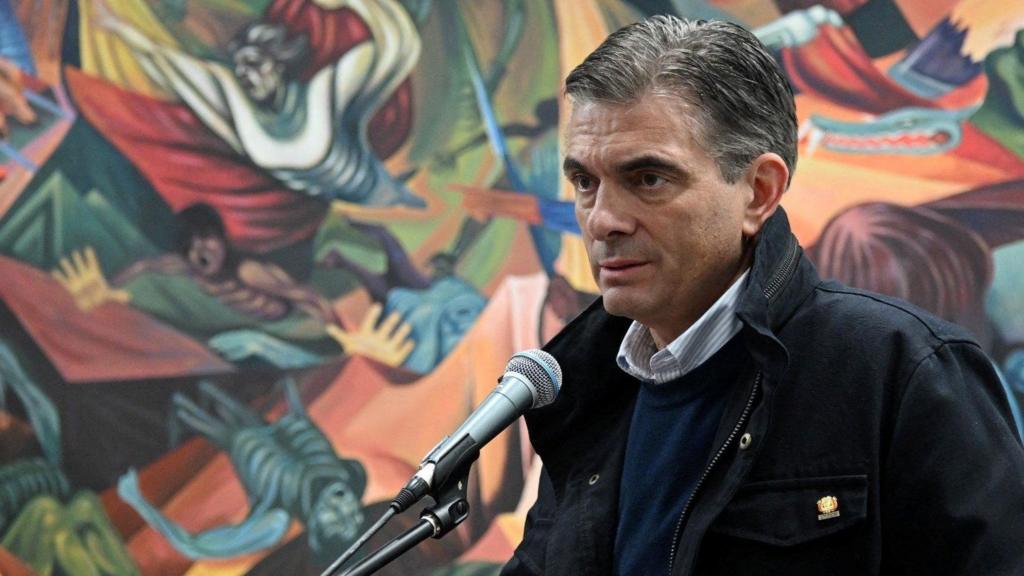
Economic impact
No coverage in this category yet — tracking continues.
National responses
No coverage in this category yet — tracking continues.
Analysis
No coverage in this category yet — tracking continues.
Transport impact
No coverage in this category yet — tracking continues.
More coverage
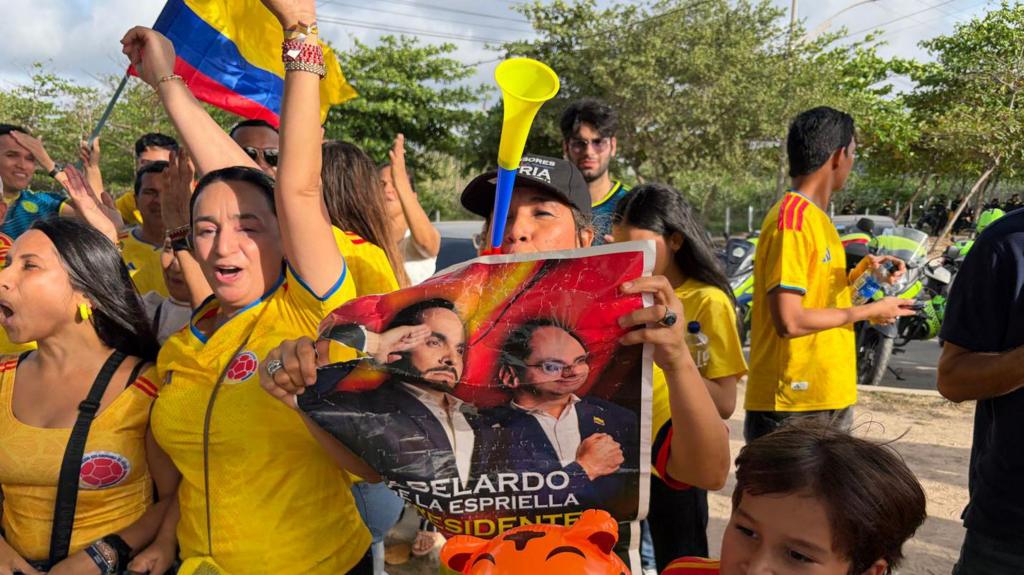
Colombia elects right-wing outsider as president amid conflict concerns
Right-wing outsider Abelardo de la Espriella has won Colombia's presidential election in a narrow victory over his left-wing opponent.
22 Jun 2026Cuba implements economic reforms under US pressure
Cuba has approved significant economic reforms, including opening key sectors to private investment, amidst ongoing US pressure and economic crisis.
19 Jun 2026