
US-Iran War
The US-Iran War, ignited by retaliatory strikes in February, saw a brutal escalation across the Middle East before a fragile ceasefire was brokered in June. The conflict, driven by decades of animosity and proxy conflicts, threatened to engulf the region in wider conflagration.
The roots of the US-Iran War lie in the complex geopolitical landscape of the Middle East, exacerbated by Iran's nuclear program, its support for regional proxies, and the US's long-standing commitment to Israel's security and regional stability. The immediate trigger was a series of escalating attacks and counter-attacks, culminating in direct strikes that pushed both nations to the brink of full-scale war. This conflict is a manifestation of a broader struggle for influence in the region, involving numerous non-state actors and regional powers.
6 events
Key facts
- Primary Combatants
- United States, Iran
- Trigger Event
- Reciprocal strikes following attacks on US assets
- Status
- Ceasefire (fragile)
- Key Flashpoints
- Persian Gulf, Iraq, Syria, Yemen
- Economic Impact
- Disrupted oil supply, increased energy prices
- Diplomatic Efforts
- Mediated by UN, EU, and regional powers
On the map
The Strait of Hormuz — chokepoint for roughly a fifth of the world’s oil — sits at the center of the risk.
Key milestones
US launches retaliatory strikes against Iranian targets following attacks on US assets.
Iran retaliates with missile strikes on US bases in Iraq and Syria.
Naval skirmishes intensify in the Persian Gulf, disrupting oil shipments.
US imposes severe new sanctions on Iran, targeting its oil and financial sectors.
UN Security Council calls for an immediate de-escalation and urges diplomatic engagement.
Proxy forces aligned with Iran launch coordinated attacks across the region.
Intense diplomatic efforts begin, mediated by European and Gulf states.
A preliminary ceasefire agreement is reached, with international observers deployed.
US-Iran preliminary agreement and subsequent tensions.
US-Iran talks face deadlock amid threats, but discussions continue.
US and Iran hold talks on nuclear deal and sanctions relief.
Latest
After US and Israeli strikes on Tehran in February 2026, the confrontation has shifted onto a fragile diplomatic track. Talks in Switzerland produced a tentative 60-day roadmap toward a final deal, but the ceasefire remains shadowed by mutual threats and unresolved disputes over inspections.

US-Iran talks face deadlock amid threats, but discussions continue
US and Iran's ceasefire talks faced a deadlock on the first day due to threats, but discussions were expected to continue with an agreement on a roadmap for a deal within 60 days.
22 Jun 2026US-Iran preliminary agreement and subsequent tensions
The US and Iran have reached a preliminary agreement, but tensions persist with Israel's continued attacks on Lebanon and internal political dynamics in the US.
19 Jun 2026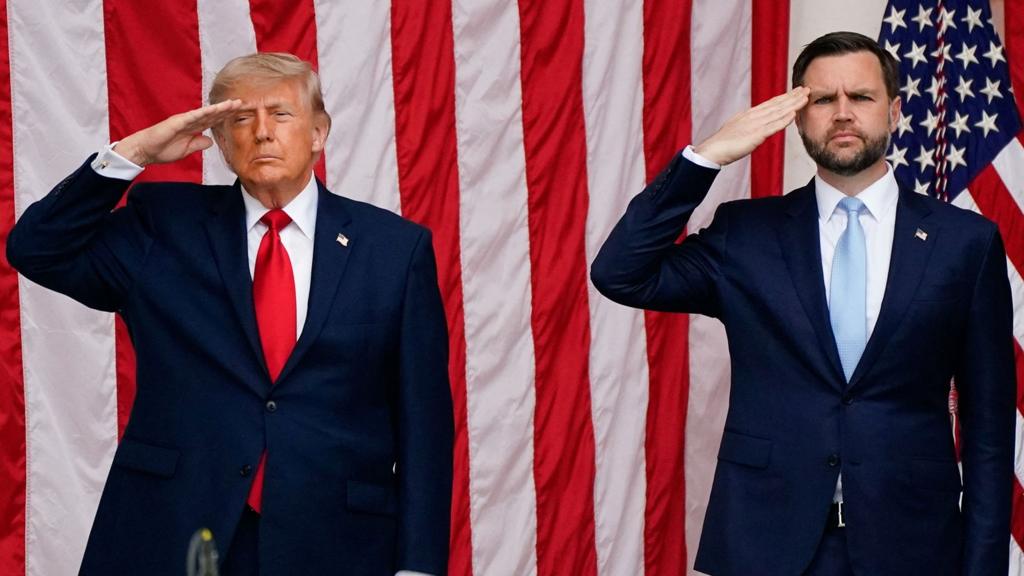
Economic impact
Sanctions are the central economic lever. Washington has eased oil sanctions and released frozen Iranian funds in exchange for concessions on nuclear inspections, with the temporary easing allowing Iranian crude sales through late August. Global oil prices react to every twist, and Gulf energy infrastructure remains exposed to any renewed escalation.
National responses
Gulf states, European powers and Washington's own allies are recalibrating their positions. US officials have toured the region to keep partners aligned behind the emerging deal, while Iran's foreign ministry has played down the scope of its commitments.
Analysis
Analysts are divided over whether the ceasefire marks genuine de-escalation or merely a pause before renewed conflict. Unresolved questions over inspection access, sanctions snapback and regional proxies leave the deal fragile, and commentators warn that domestic politics on both sides could unravel it.
US and Iran hold talks on nuclear deal and sanctions relief
The US and Iran have held talks in Switzerland regarding a nuclear deal and sanctions relief, with both sides reporting progress. The US has eased some oil sanctions on Iran following Iran's agreement to allow nuclear inspections.
23 Jun 2026G7 Summit in Évian: Iran War Deal, Ukraine Aid, and AI Governance
The 52nd G7 summit in Évian-les-Bains, France (June 15–17, 2026) was dominated by Trump's announcement of the US-Iran ceasefire deal, pledges to boost Ukraine's air defences, and a working lunch with AI company CEOs from Anthropic, OpenAI, Google, and Mistral AI.
17 Jun 2026Transport impact
The Strait of Hormuz is the strategic pressure point, carrying roughly a fifth of the world's seaborne oil. Iran's claims of closure disrupted shipping and pushed freight and insurance costs higher, even as US forces reported that tankers continued to transit unhindered.
More coverage
The conflict is entangled with the wider region. Spillover into Lebanon and Gaza, and the role of Hezbollah, keep the US-Iran track linked to Israel's parallel campaigns and to the fate of regional ceasefires.
Lebanon conflict escalates with Israeli strikes amid US-Iran talks
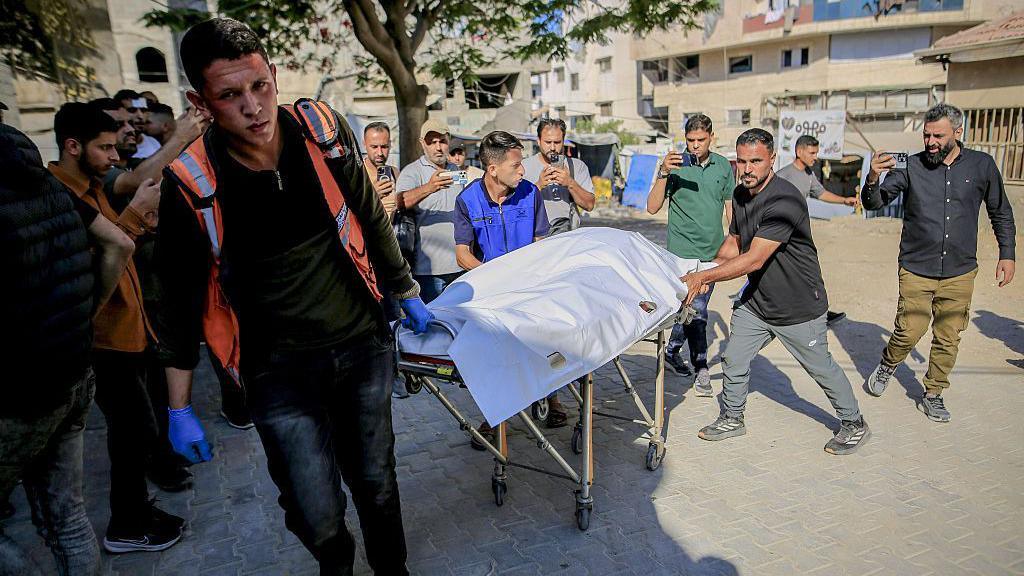
Israeli airstrikes in Gaza and Lebanon have resulted in casualties, including a cameraman and a conservationist, amidst ongoing US-Iran talks.
22 Jun 2026Israeli strikes in Gaza kill civilians, including Al Jazeera cameraman
Israeli strikes in Gaza killed at least five civilians, including an Al Jazeera cameraman, with conflicting claims about the cameraman's alleged affiliation with Hamas.
20 Jun 2026