
H5N1 bird flu confirmed in Australia, spreading globally
What happened
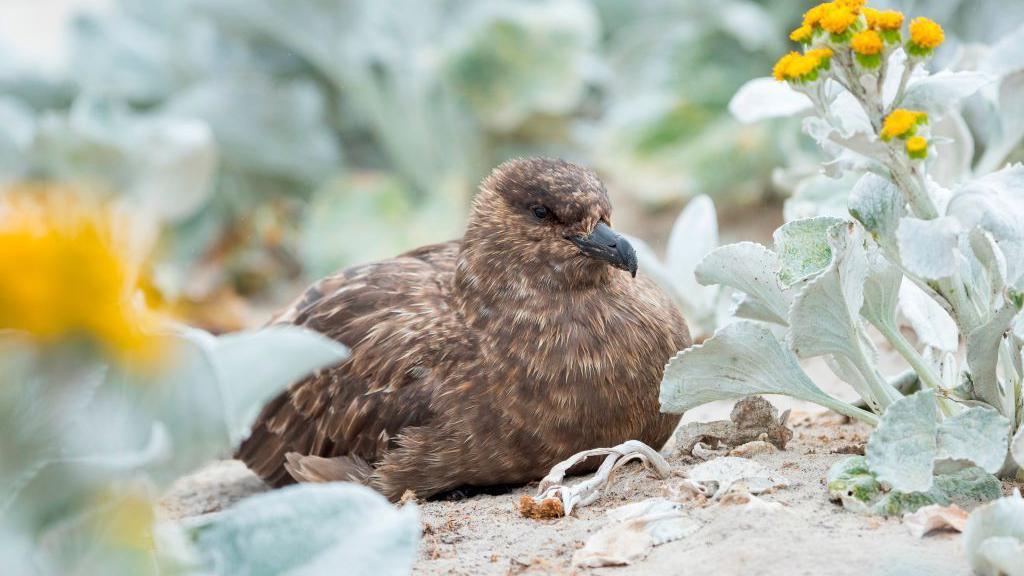
Australia has confirmed its first mainland case of the H5N1 bird flu strain in a migratory seabird, marking its arrival on the continent.
How it developed
The highly pathogenic H5N1 avian influenza virus has been spreading globally, with Australia previously being the only continent without a confirmed case.
A migratory seabird found in Western Australia tested positive for H5N1.
Australia's Agriculture Minister confirmed the case, noting it was in a remote area.
Tests suggest a second bird may also be infected, but there is no evidence of impact on poultry or agriculture systems.
The confirmation means H5N1 has now reached every continent.
Australia has pledged to take action to address the confirmed case.
- Australia has confirmed its first mainland case of H5N1 bird flu.
- The case was found in a migratory seabird in Western Australia.
- There is currently no evidence of the virus affecting poultry or agricultural systems.
- This marks the first detection of H5N1 on the Australian continent.
Unstated assumptions
- •The current strain of H5N1 poses a low risk to human health in this instance.
- •Australia's biosecurity measures are sufficient to contain the outbreak.
- •Migratory birds are the primary vector for this specific detection.
Whose voice is missing
- •Detailed analysis of the specific migratory route of the infected bird.
- •Expert opinions on the likelihood of H5N1 spreading to domestic poultry in Australia.
- •Information on the specific actions Australia plans to take beyond general pledges.
Reading guide:Begin with Deutsche Welle or BBC for a clear confirmation of the event. Then, read The Guardian for detailed reporting on the specific case and ongoing investigations.